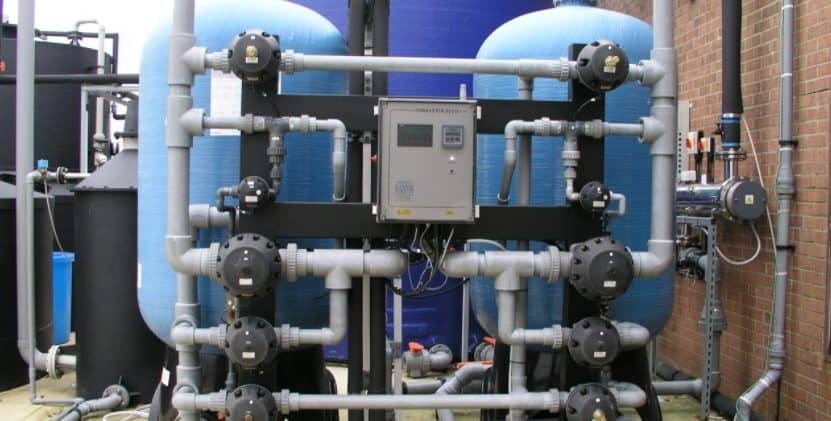
We have recently written about what you need to know about water purification methods. So, imagine that you have bought one, it is running, but one day you think about how long it will last. Replacing a water purification system is a big capital investment, but there are also significant costs associated with trying to keep outdated, obsolete water systems going longer than their natural lifespan.
So how do you know when it’s time to replace your purified water system, rather than just repair it? Well, there are some key factors you should consider:
The LifeSpan of Your Water Purification System
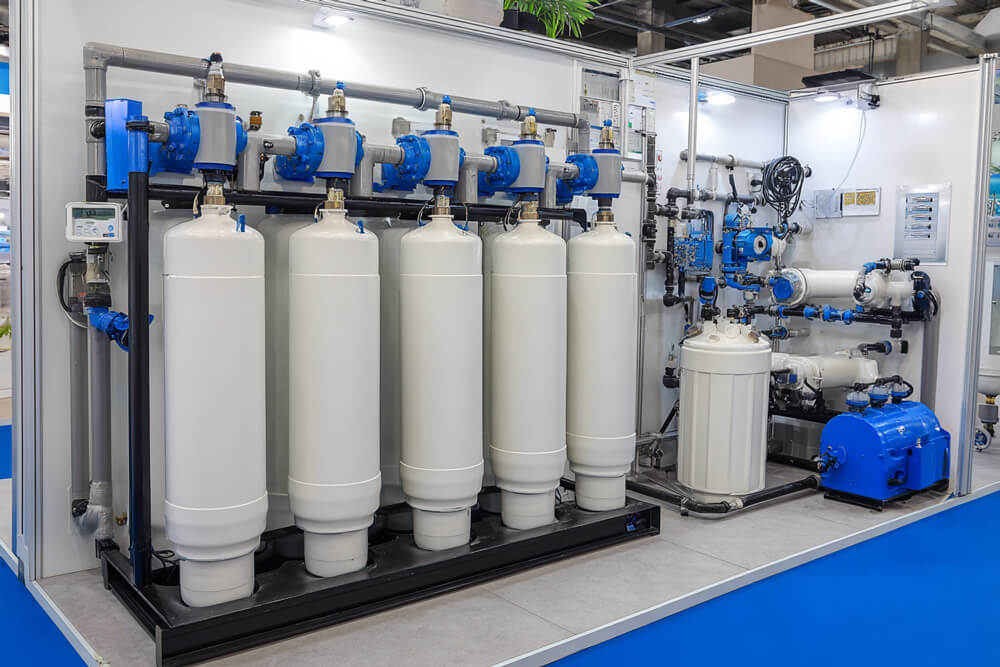
The life span of water purification systems is variable depending on the industry involved and the standards required. A reasonable lifespan of a water purification system in the UK is 15 years. However, there are plenty of 25+ year old water purification systems in operation. Therefore, it is better to focus on the overall condition of the water station rather than just its age.
Consumable Costs vs Cost of System Replacement
It is always sensible when considering large consumable replacements on plants of a considerable age to consider the cost of the replacement items against the cost of the water system or plant replacement. The general condition of the equipment and the predicted life span are factors.
There are also other factors such as the equipment involved may have developed and improved which provide other benefits in replacement. If for instance a large Deionised water plant requires replacement Ion Exchange resins, but the plant is 10+ years old and in fairly poor condition, there may well be a case to say the capital is better invested in new equipment. In the case of Reverse Osmosis plant RO membranes have developed in both fouling resistance and energy consumption. These may be factors which drive the decision to upgrade rather than replace.

Control System Obsolescence
Your control system is often one of the first components to show signs of ageing. You might notice alarms triggering for no clear reason, sensor readings fluctuating, or the interface becoming unreliable. These issues usually point to obsolete hardware or software that can no longer be updated or supported.
If replacement parts are discontinued or your system cannot integrate with modern monitoring or building management systems, this can create serious downtime risks. In many cases, upgrading the control system or the entire purification unit is more practical than continuing repairs, especially if faults begin to affect water quality or plant availability.
Chemical Damage and Corrosion
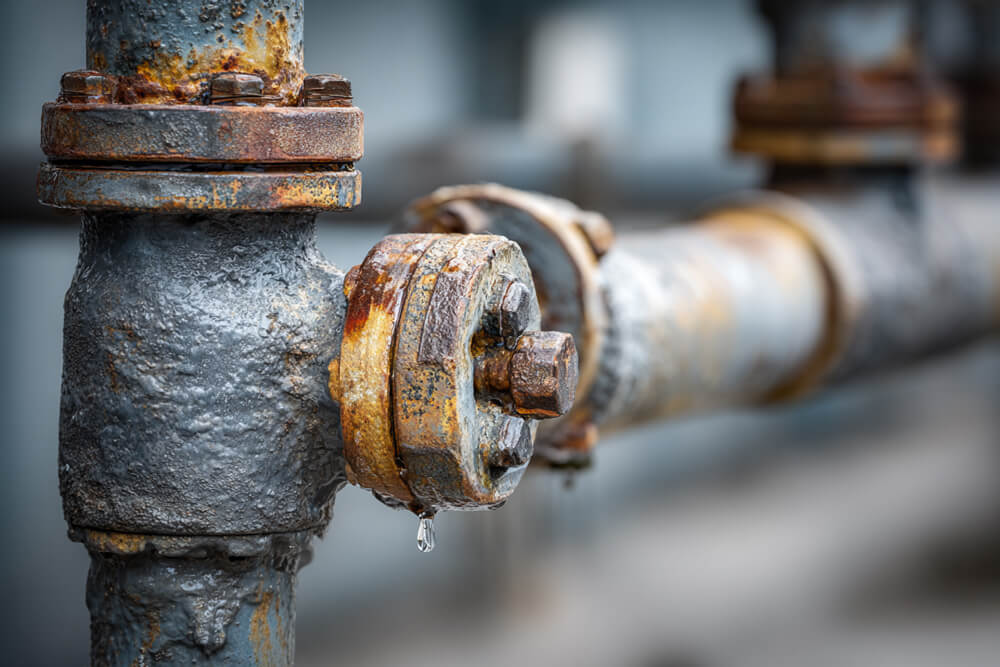
Chemical use during regeneration or cleaning can gradually damage internal components of your system. Signs of this include corrosion on tanks and pipework, leaks around joints or valves, or a persistent chemical smell near the equipment. These symptoms often suggest that chemical fumes or residues are not being properly extracted or neutralised.
If corrosion reaches the main vessels or structural parts of the system, repairs can become unreliable and expensive. In such cases, replacing the affected components or the entire plant is usually the safer and more cost-effective solution.

Decline in Water Quality
A decline in water quality is one of the most reliable signs that your purification system is reaching the end of its service life. You may notice measurable deviations from standard purity levels. For example, RO permeate typically should maintain a conductivity below 10 µS/cm for general applications, or below 1 µS/cm in high-purity systems. For deionised (DI) or ultrapure water, resistivity should remain close to 18.2 MΩ·cm at 25°C. If readings consistently fall below 16–17 MΩ·cm, despite resin or membrane replacement, the system is likely underperforming.
Similarly, TOC (Total Organic Carbon) levels should stay below 50 ppb in pharmaceutical and laboratory-grade systems. Regular exceedance of this limit, or sudden spikes even after sanitisation, suggests biofilm build-up or exhausted components. Pay attention to a steady increase in microbial counts, especially above 10 CFU/100 mL in purified water or 1 CFU/100 mL in highly purified water, which also points to serious deterioration.
When these quality parameters cannot be stabilised through servicing or component replacement, the most effective solution is often full system renewal to restore reliability and compliance.
Frequent Downtime and Maintenance Costs
When your system starts requiring more frequent callouts, breakdowns, or emergency repairs, it’s a strong indication that core components are wearing out. You might notice unplanned shutdowns becoming routine, or that minor faults begin to affect overall performance.
It’s also important to compare ongoing maintenance costs to the value of the system itself. If annual servicing, consumables, and repairs reach 30–40% of the cost of a new system, replacement is usually the more economical choice. Persistent reliability issues not only increase operating costs but also risk production downtime — which can be far more costly than the replacement itself.
Water Purification System Technology Upgrade
Advances in purification technology can make older systems inefficient by comparison. Modern reverse osmosis (RO) membranes, for instance, often deliver the same output with up to 20-30% lower energy consumption and improved fouling resistance. Similarly, switching from ion exchange systems to continuous electrodeionisation (CEDI) can eliminate the need for chemical regeneration and the associated effluent handling costs.
Upgrading may also help you meet stricter quality or environmental standards. For example, newer systems often include automated monitoring, remote diagnostics, and integration with building management systems. These features improve traceability and reduce manual oversight. If your current setup cannot accommodate these improvements, replacing it may be the most effective long-term option.
Water Purification System Advice And Design
One thing is very clear, there is no substitute to good advice from a specialist company when considering replacing or upgrading a purified water plant.
For the best water purification system advice relevant to your industry, or to request a FREE water purification site assessment, contact our team of experts at Wychwood Water Systems today and we will come and visit your premises to inspect your current plant.
To find out more about what Wychwood Water Systems can do to help, including the designing, manufacturing, installing & commissioning, servicing, and refurbishment of water purification systems, view our services to find the ideal water purification solution for you.